


Everything you need to know about the female orgasm
By Lola Souris
|
Summarize this article with AI


We're not going to argue with that: the female orgasm is a fascinating subject!
Although sometimes shrouded in mystery and taboo, it is essential for understanding female sexuality in all its richness and diversity. Knowledge of it allows women not only to access a more fulfilling sex life , but also a much better level of well-being .
Whether you are a woman or a man, we strongly encourage you to approach this topic with curiosity and kindness. Good news: it starts here and now!
Here is our complete guide to understanding sexuality and exploring orgasm in women.
Fasten your seatbelts, this article is likely to be orgasmic!
What is a female orgasm?
The female orgasm , like its counterpart in the opposite sex, is an intense physical and emotional response that usually occurs at the peak of sexual arousal .
In women, it is physically characterized by a series of involuntary muscle contractions in the clitoris and vagina. In cases of intense orgasms, these contractions become generalized throughout the body.
“ Orgasm corresponds to the peak of sexual pleasure, triggering sexual tension and rhythmic contractions of the perineal muscles and pelvic organs involved in reproduction .” Swiss Medical Review, The Brain at the Heart of Female Pleasure Stephanie Ortigue , Francesco Bianchi-Demicheli
On an emotional level, it is accompanied by a feeling of pleasure , emotional release, and sometimes euphoria.
Orgasm is not only perceived differently by individuals but also according to different phases of life! The intensity of pleasure can vary from day to day or throughout a lifetime. It is therefore one of the most subjective and personal experiences known today, resulting from a complex combination of factors.
The physiological factors of orgasm
Erogenous zones play a key role in triggering orgasm .
Pleasure is then the response to physical stimulation of certain areas of the body that are more or less sensitive or arousing depending on the individual. Among the main erogenous zones are : the clitoris , of course, the anal region , the breasts, as well as other parts of the body such as the nape of the neck, the inner thighs, the stomach…
A good way to remember that there is more to achieving orgasm than just penetration and vaginal stimulation .
The clitoris is the only human organ dedicated exclusively to pleasure!
It's ironic, especially for women, for whom sexual relations have long been perceived solely through the lens of reproduction! For a long time, female desire and pleasure were ignored, even denigrated. Fortunately, this is changing!
Let's get back to our clitoris . It contains approximately 8,000 nerve endings, more than any other part of the body, and is most often at the heart of orgasm.
Still largely unknown in its entirety, it is a complex organ that extends well beyond what is visible to the naked eye and can reach up to 12 cm in length .
And yes, the expressions “clitoral orgasms” versus “vaginal orgasms” are actually incorrect! Genital orgasm is almost always clitoral , with the only difference being internal (G-spot) or external (glans) stimulation of the clitoris.
You possess something whose main function is pleasure … and that's not for nothing.
The psychological factors of orgasm
Female orgasm is not solely a matter of physical stimulation. It can be facilitated or hindered by psychological and intangible factors such as:
-
emotional state (stress, anxiety, sense of security),
-
the connection with his/her partner,
-
self-esteem,
-
the relationship with one's own body.
It is these criteria, more complex to master, that make the Grail more difficult to tame, but also so precious and magical!
Reminder : Orgasmic disorders can originate in both your body and your brain! Don't hesitate to consult a sex therapist for professional support.
The role of hormones during orgasm
Before, during or after, hormones play a key role in your moments of elation.
Hormonal fluctuations ( menstruation, pregnancy, menopause ) can influence the ability to reach orgasm. Therefore, it may be beneficial to adapt your sexual practices to your stage of life to be fully aligned with your current desires and needs.
When it occurs, orgasm causes the release of hormones with various effects on the body.
-
Endorphins produce a feeling of euphoria in the moment.
-
Oxytocin , known as the “love hormone”, promotes feelings of well-being and connection after orgasm.
-
Prolactin , meanwhile, contributes to the feeling of satisfaction.
A fiery cocktail for effects that are as addictive as they are powerful!
Orgasm: what are the effects on health?
Beyond "simple pleasure," orgasm in women , just as in men, has numerous health benefits and therefore direct repercussions on well-being . These include:
-
stress reduction,
-
improved blood circulation,
-
mood improvement,
-
a boost to sleep quality,
-
improved self-esteem,
-
strengthening the pelvic floor.
So many reasons not to enjoy it!
How to achieve female orgasm?
The false friends of pleasure
Sometimes orgasm can be difficult to achieve. Again, we are not all equal when it comes to pleasure.
While some women manage to experience orgasm almost every time, others rarely, if ever, experience it in their lives.
The reasons can be numerous and have physical, psychological, or social justifications . Among the most common are:
-
A lack of knowledge about one's body can make orgasm more difficult to achieve because one does not know which areas cause pleasure or generate arousal.
-
Cultural taboos or insufficient sex education sometimes establish certain beliefs or societal pressures that can stifle the exploration of female pleasure or create more or less entrenched blockages.
-
Certain physical dysfunctions such as dyspareunia (pain during intercourse and penetration), vaginismus (difficult or even impossible vaginal penetration), or hormonal disorders can complicate arousal and distort sensations.
-
Stress and/or fatigue are variables that can block the build-up of pleasure and thus prevent some women from experiencing orgasm during sexual intercourse .
-
A lack of self-confidence or trust in others can prevent some women from taking the initiative or communicating their sexual preferences. As a result, they don't dare to guide their partner during sex and often miss out on orgasms.
There's no shame in consulting a sex therapist or other healthcare professional for support with these issues. Generally, they will first rule out any physical problems or disorders before focusing on psychological blocks .
Sexual health , just like mental and physical health, is very important and should be taken seriously throughout your life!
Our 4 tips for accessing pleasure
-
Explore your body
Masturbation is one of the most effective ways to understand what gives you pleasure, or doesn't. Try different stimulations to discover your erogenous zones and the sensations associated with them.
You know the saying that to love others, you must first love yourself? The same is true with pleasure .
It is essential to know how to give yourself pleasure in order to allow others to give you pleasure!
-
Incorporating vibrators into sexual intercourse
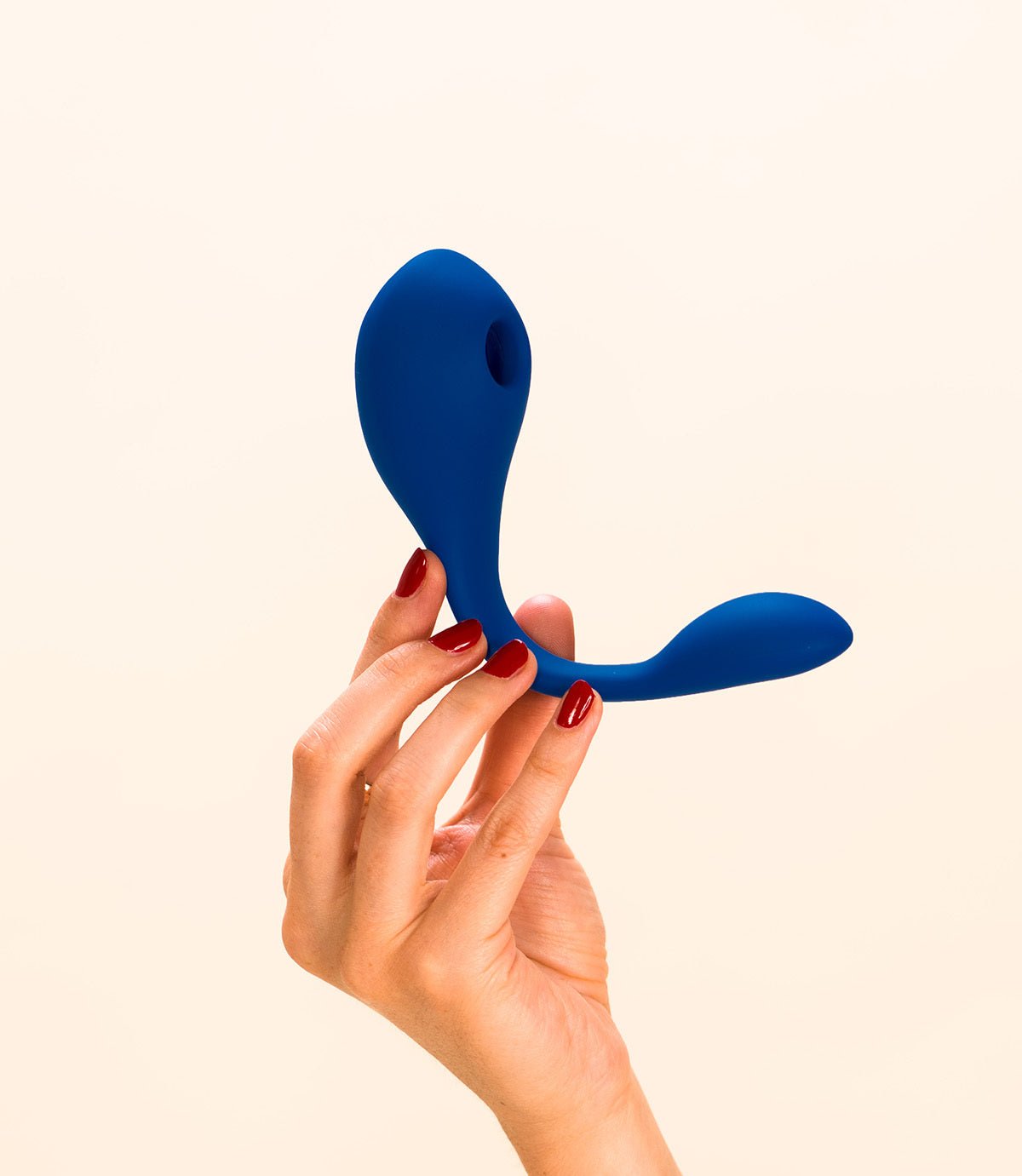
Vibrators or clitoral stimulators are excellent tools for reaching orgasm more easily, especially if you're a beginner. They allow you to precisely target the clitoris or internal areas and provide sensations unlike anything you've ever experienced.
-
Practicing relaxation
Stress is an enemy of orgasm. Meditation or yoga can promote relaxation and (re)connection with oneself, thus making it easier to experience pleasure.
-
Improve communication with your partner during sexual intercourse
Expressing your desires and feelings is essential for fulfilling sexual experiences. Don't hesitate to guide your partner in the moment. Whether you've been together for years or just met, it makes no difference! Talk and learn to express both the positive and the negative!
As you've probably gathered, female orgasm can still be perceived as mysterious, even complex, by both men and women themselves. Yet, it is central to female well-being .
Striving for a more accurate and broader understanding of this subject is not only beneficial to women, but is essential as a societal issue.
Understanding female orgasm encourages women to explore their sexuality, educates their partners on the importance of mutual satisfaction , and helps dismantle limiting myths . In short, everyone benefits!
So, ready for an orgasmic journey ?
en/en/
Lola Souris
You will surely like it
-
Coco
119,00€ -

Chouchou
109,00€ -

Toupie
59,00€ -

Lubricating Intimate Gel
13,00€
Coco

Chouchou

Toupie

Lubricating Intimate Gel


