


Sexuality and the AMP journey: rediscovering intimacy during ART
By Coline Levin
|
Summarize this article with AI


You have decided to embark on an Assisted Reproductive Technology (ART) journey. You have consulted specialists, filled out forms, and started hormone treatments. But here is a question that no one really dares to bring up during consultations: what happens to your sex life during all this time?
At Puissante, we know that this journey profoundly transforms couples' intimate lives. It is not a taboo subject to avoid; it is a reality to face, understand, and above all, navigate together. Because yes, it is entirely possible to maintain a fulfilling intimacy alongside a fertility treatment. It just takes a little awareness, communication, and sometimes, a few smart adjustments.
Understanding ART: far beyond simple medical technique
What exactly is ART?
Assisted Reproductive Technology encompasses all techniques that allow you to bypass or treat infertility. These techniques include
-
artificial insemination (AI),
-
in vitro fertilization (IVF),
-
intracytoplasmic sperm injection (ICSI),
-
and egg and embryo freezing.
These medical advances offer real hope to couples who cannot conceive naturally after years of trying.
But here is the flip side: they also come with a considerable emotional and physical cost. During the three to six months (or more) that an ART journey lasts, your body becomes a medicalized project. Daily hormone injections, repeated ultrasounds, procedures, the imposed schedule of sexual intercourse... all of this gradually transforms what was once spontaneous into a series of planned and regulated acts.
The immediate impact on the couple
From the very first weeks, couples report noticeable changes. The woman begins to feel fragmented, reduced to her reproductive organs. The man, meanwhile, may feel stripped of his role, relegated to a mere sperm donor at specific times on the calendar. This dynamic creates an emotional distance that gradually settles in, often without anyone really realizing it.
Couples' conversations gradually become limited to the hormonal cycle, test results, and the next attempt. Fantasies, spontaneity, tenderness... everything disappears under the weight of the goal: conceiving. This is where sex life takes a turn. It is no longer a moment of shared tenderness, but a mission. An obligation. A "reproductive" act rather than an act of pleasure.
The medicalization of intimacy: when the body becomes a protocol
Physiological changes during ovarian stimulation
During the ovarian stimulation phase (generally 10 to 12 days), your body undergoes significant changes. Your ovaries increase in size, you may experience bloating, pelvic cramps, and increased sensitivity. Some women describe this period as uncomfortable, or even painful during sexual intercourse.
During the ovarian stimulation phase, sexual intercourse generally does not pose a safety issue. However, one precaution is necessary: intercourse must be protected as ovulation trigger approaches, due to the rare (but possible) risk of multiple pregnancy in the event of overstimulation.
Hormonal side effects
Add to this the side effects of the hormones: chronic fatigue, mood swings, low libido, increased breast sensitivity, nausea. Your partner, meanwhile, must observe sexual abstinence for 72 to 96 hours before egg retrieval to ensure the best possible sperm quality. During this time, both partners live under the constant tension of "making love" at the right time, according to the medical calendar, not according to desire.
This injunction to perform sexually creates a cruel paradox: the more you stress about having intercourse at the right time, the less you want to have it. The pressure builds, desire fades.
The irrational (but understandable) fear
According to experts at the Fertilys center, several couples completely avoid sexual intercourse during treatment, for fear that uterine contractions during orgasm will dislodge the embryo from its implantation site or cause a miscarriage. Some doctors even encourage this abstinence, concerned about the theoretical risks of an ovarian cyst rupture or complications related to overstimulation.
This fear is understandable, but it is largely unfounded. Scientific studies show that sexual intercourse does not damage the implantation process. On the contrary: it may even improve it. But this fear persists, fueled by medical silence and the lack of clear discussions on the subject.
The scientific paradox: sex actually promotes fertilization
The scientific evidence that changes everything
Here is something that surprises many couples: sexual intercourse during and after an ART treatment actually increases the chances of success. This is not a popular belief, it is science.
A prospective study conducted on 400 IVF cycles showed that couples who had sexual intercourse in the two days before and after embryo transfer saw their embryo implantation rate increase by 50% compared to those who abstained. Two other studies also demonstrated a 45% increase in the implantation rate among women exposed to seminal fluid.
A third study, conducted on 168 patients, reported an increase in the embryo implantation rate in the group exposed to seminal fluid. This increase in the IVF success rate was also noted in women with complete fallopian tube obstruction, suggesting that the action of sperm works not only mechanically, but also biochemically.
Why sperm is beneficial for implantation
Researchers believe that seminal fluid contains powerful immunosuppressive factors, such as prostaglandin E1 and transforming growth factor (TGF-β), which promote maternal immune tolerance and prevent embryo rejection. In other words, your body needs sperm to accept the embryo.
Sperm also promotes embryo development by stimulating the release of soluble cell signaling substances, called cytokines, by the endometrium. It is a complex and fascinating biochemical interaction: sperm is not just a vector for fertilization, it is a chemical messenger that prepares the uterus to receive the embryo.
It is a delicious irony: at a time when you feel that sex no longer has a place, it is precisely what could make all the difference. Far from being an obstacle, it becomes an ally.
The psychological impact: when desire turns into guilt
The emotional roller coaster
An ART journey is an emotional roller coaster: hope at the beginning, anxiety during treatment, disappointment in the event of failure, then the desire to start over. This emotional burden directly affects sex life in a profound and often invisible way.
The majority of couples undergoing ART report a decrease in desire, in both women and men. This is not a weakness. It is not an incompatibility either. It is a normal reaction to stress, anxiety, and the medicalization of intimacy.
The fragmentation of the female body
The woman experiences her body as battered: daily injections, repeated gynecological exams, hormones that overwhelm her. She often feels fragmented, reduced to her reproductive organs. Her body is no longer hers; it is a medical object, a testing ground, a machine for producing eggs.
This feeling of loss of control profoundly affects self-confidence and the ability to feel desirable. How can you feel sexy when you feel reduced to your ovaries? How can you want sex when you associate your body with pain and medical failure?
Male dispossession
The man, meanwhile, may feel stripped of his role, relegated to a mere sperm donor. His virility is questioned (especially in the event of sperm quality issues), his presence is reduced to the specific times when he is needed. The partner's place in this process is often undermined, and this creates relational distance.
Some men report losing their erection at the crucial moment, due to stress and performance pressure. Others feel excluded from the medical process, relegated to the waiting room. This marginalization profoundly affects male self-esteem.
The disappearance of spontaneity
Gradually, couples' conversations become limited to the hormonal cycle, test results, and the next attempt. Fantasies, spontaneity, tenderness... everything disappears under the weight of the goal. You no longer make love because you want to. You do it because the calendar says so. You do it because you have to.
This transformation is insidious. It does not happen overnight. It is a gradual, imperceptible shift that eventually completely transforms the couple's dynamic.
Rediscovering intimacy: separating well-being from reproduction
The secret: conscious separation
The secret to maintaining a fulfilling sex life during an ART journey is to consciously separate what is related to well-being from what is related to reproduction.
This means: having moments of intimacy that have no connection to the medical calendar. Caresses without a goal. Moments of tenderness that are not aimed at fertilization. Sexual intercourse for pleasure, not for procreation. Moments where you remember why you love each other, beyond the baby project.
This may seem obvious, but it is extraordinarily difficult to put into practice when you are in the middle of treatment. Your brain is constantly preoccupied with the hormonal cycle and your ovulation. Your body hurts. Your anxiety rises with every exam. How can you relax and enjoy intimacy when you are in this state?
Communicating, more than ever
Hence the importance of talking. Really talking. Not just about injection times and test results, but about your fears, your desires, your frustrations, your doubts. About what you really feel. About what you are afraid to feel.
This communication must be honest and vulnerable. Tell him you are afraid. Tell him you feel fragmented. Tell him you are afraid this journey will destroy your relationship. Tell him you still want him, even if your body doesn't show it right now.
The role of the professional
A sex therapist can be a valuable ally. These professionals help couples navigate the murky waters of medicalized sex life, rediscover intimacy beyond the protocol, and transform the ART journey into an opportunity to strengthen the bond rather than weaken it.
The sex therapist's approach is based on three pillars: creating a safe space for conversation, exploring the couple's specific difficulties, and offering concrete solutions to rediscover intimacy. Sessions often include individual sessions (optional) and couples sessions, allowing each person to express their feelings without judgment.
Spicing up intimacy: concrete solutions to rekindle desire
Redefining foreplay
You can also explore new ways of connecting. Intimate caresses are not necessarily aimed at penetration; they are an end in themselves. Foreplay becomes less of a step toward something else, and more a moment of mutual exploration.
Take the time to explore each other's bodies without a goal of performance. Discover the erogenous zones you had forgotten. Listen to the sighs, the shivers, the involuntary movements. Let pleasure guide you, not the calendar.
Lubricant: an often forgotten ally
A quality lubricant can transform the experience, especially if hormone treatments have affected your natural lubrication. The hormones used in ART can reduce the production of natural lubrication, making intercourse uncomfortable or painful.
The Puissante intimate lubricant is designed to respect your intimacy while improving comfort. Formulated with a water base, it is compatible with all types of condoms and does not stain sheets. More importantly, it allows you to fully enjoy intimacy without pain or discomfort.
Masturbation: rediscovering your body alone
For those seeking to rediscover solo pleasure, masturbation remains an excellent way to maintain a connection to your body outside of medicalization. It is a purely personal act, purely for you, without performance pressure, without a medical calendar.
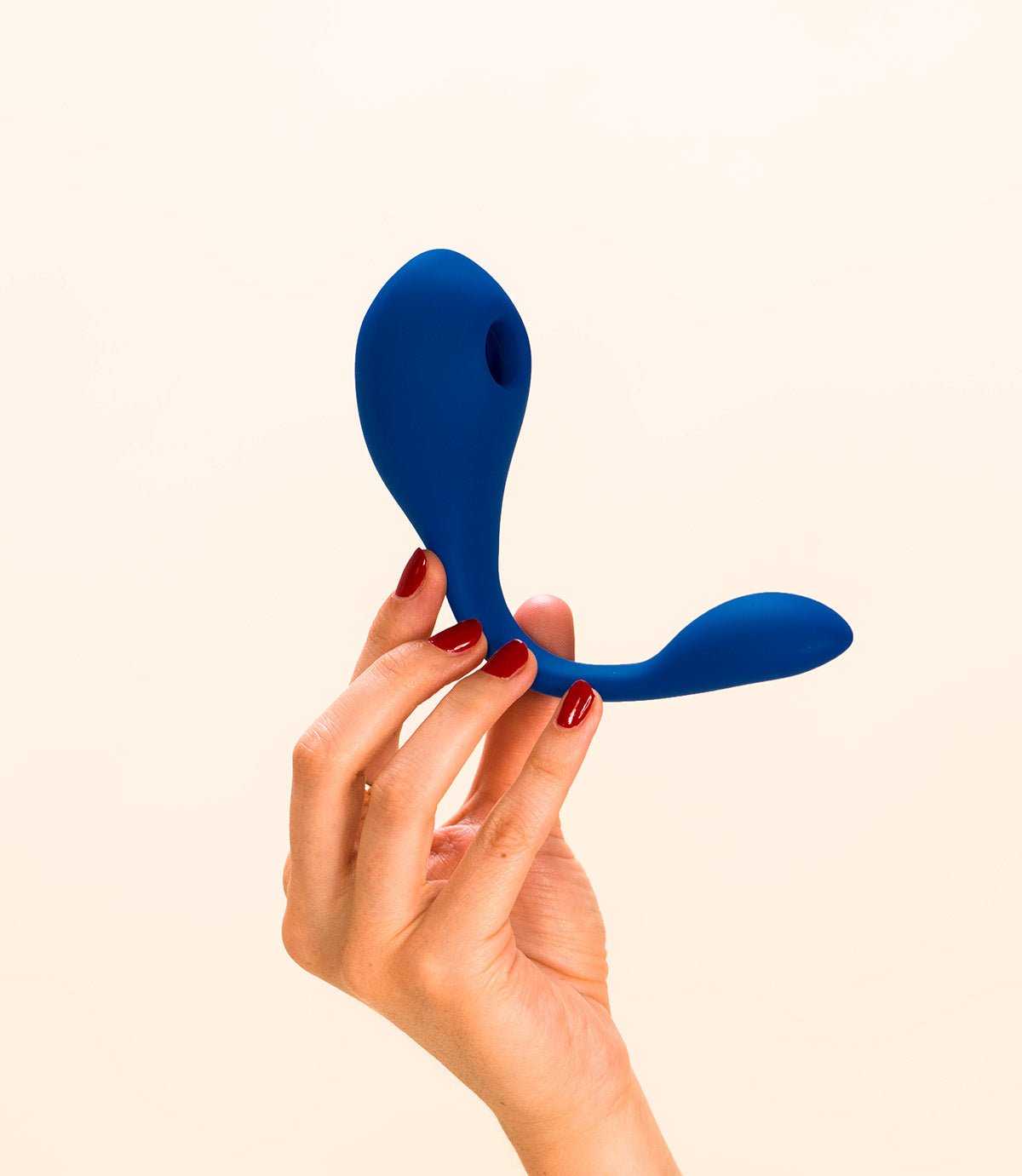
An accessory like the Mini Coco can help you explore your sensations, alone or with your partner. Compact and discreet, it offers gentle but effective stimulation, to rekindle desire and sensations. It is also a way to rediscover your own pleasure, to remind yourself that your body is capable of making you feel good, regardless of the baby project.
Exploring sensuality beyond sex
Sensuality is not limited to sex. A sensual massage, a bath together, a shared shower... all these moments create pressure-free intimacy. Use massage oils, scented candles, soft music. Create a space where sensuality can flourish without a performance goal.
You can also explore slow sex, an approach that prioritizes slowness, presence, and emotional connection. This practice is particularly beneficial during an ART journey, because it reinstates spontaneity and pleasure at the heart of intimacy.
Consulting available resources
You can also consult the Puissante journal for in-depth articles on how to please yourself, the importance of desire, erogenous zones, or how to talk about sex in a couple. These articles offer nuanced perspectives and practical advice to rekindle intimacy.
The key moments of the ART journey and sex life
During ovarian stimulation
During this phase, sexual intercourse is generally possible, but may be uncomfortable. Opt for shallower positions, caresses, and moments of tenderness. Listen to your body. If it says no, respect it.
Before egg retrieval
The man must abstain for 72 to 96 hours before retrieval to ensure optimal sperm quality. During this time, the woman may feel lonely, frustrated, or anxious. This is a time when communication is crucial. Find other ways to connect: caresses, massages, tenderness.
After embryo transfer
Paradoxically, this is the time when sexual intercourse may be most beneficial, according to studies. But it is also the time when anxiety is strongest. You are waiting to find out if implantation has occurred. You are afraid of moving or doing something that could "disturb" the embryo.
Remember: sexual intercourse does not damage implantation. It helps it. If you feel like it, go ahead. If you do not feel emotionally up to it, that is also acceptable. The main thing is that this is a choice, not something imposed.
Embrace transformation, not resignation
Crisis as an opportunity
An ART journey transforms a couple. It is a crisis, like all crises in life. But after the crisis comes the opportunity to rebuild yourselves differently. Not by returning to who you were before (this nostalgia is treacherous and impossible), but by creating something new.
Sexuality after ART will not be the same as it was before. It will be different. Perhaps more conscious, more intentional, deeper, because you have gone through something together.
Redefining success
The success of an ART journey is not measured solely by a pregnancy. It is also the strengthening of the couple, the rediscovery of intimacy, the ability to communicate about difficult topics, and resilience in the face of adversity. These victories are just as precious as conception.
A commitment to yourself
The most important thing? Do not give up. Do not accept that medicalization means the death of intimacy. Talk to your partner. Seek support, whether from a sexologist, a couples therapist, or a community of couples undergoing ART.
Remember why you are together, beyond the goal of conceiving. Your sexuality belongs to you. Your intimacy belongs to you. Your pleasure belongs to you. An ART journey can be demanding, but it should not deprive you of these fundamental rights.
Conclusion: sexuality as an act of resistance
At Puissante, we believe that conscious sexuality during an ART journey is not a luxury; it is a necessity. It is an act of resistance against the total medicalization of your body. It is an affirmation that you are more than your ovaries, more than your sperm, more than your ability to conceive.
So, during this difficult journey, find moments to reconnect. Talk. Touch each other. Love each other. Not to conceive, but because you deserve to feel good.
en/en/
Coline Levin
You will surely like it
-
Coco
119,00€ -

Le Bisou
99,00€ -

Libido & Lubrication Cure
35,00€ -

Lubricating Intimate Gel
13,00€
Coco

Le Bisou

Libido & Lubrication Cure

Lubricating Intimate Gel


