


How to take care of your vulva?
By Marie Comacle
|
Summarize this article with AI


The vulva is a rather fragile part of the body. Menstruation, sexual activity, hair removal/shaving, synthetic materials… It is subjected to numerous aggressions that can easily weaken it.
That's why it's very important to take the greatest care of it!
The vaginal flora consists of microorganisms and to avoid discomfort (yeast infections, odors, irritations, unusual discharge , etc.), a few tips can help maintain the harmony of these bacteria.
We give you all our advice here!
Intimate Toilet
How to wash your vulva?
First, you should know that your vagina is self-cleaning ; so, when we talk about intimate hygiene, we are talking about the hygiene of the vulva and the intergluteal cleft.
Vaginal douching, which involves injecting liquid into the vagina using an enema bulb or directly with a jet of water, is strongly discouraged! Just like vaginal saunas, this could damage your vaginal flora.
Don't use washcloths to wash your vulva ! They're breeding grounds for bacteria and can irritate your intimate areas. Perfumes, deodorants, shower gels… forget them!
Instead, use plain water once a day and, several times a week, an intimate soap with a pH that respects your body.
With your hand, wash your vulva from front to back to avoid spreading germs from your anus.
Which underwear is privacy-friendly?
To maintain a healthy vulva, say goodbye to your synthetic underwear. Make way for cotton panties . Cotton fabrics allow your vulva to breathe properly and prevent all sorts of discomfort. We also advise against wearing underwear at night.
When should you consult a specialist?
If you find that your vulva has an unpleasant odor despite good intimate hygiene , this is certainly a sign of a gynecological infection. Similarly, if you notice any unusual discharge, consult your gynecologist as soon as possible !
Furthermore, your annual appointment with your gynecologist is not to be neglected. Nothing beats a doctor's advice. You can also self-examine this area using a mirror: this is called self-gynecology .
Pubic hair: to remove or to keep?
A brief history of body hair
While we've been removing them since ancient Egypt, one might think that biological evolution could have eliminated our body hair! But if that's not the case, it's simply because they are very useful and serve a function in every area!
So why do we remove our body hair? For Charles Darwin, body hair was synonymous with modern man, the one descended from apes. But citizens of the Victorian era precisely aspired to distance themselves from animals.
The beauty industry embraced this idea and popularized the notion that removing body hair was a matter of hygiene. Thus, a new beauty standard emerged : hair removal/shaving.
Throughout history, many factors have banished body hair from our lives. Mainstream pornography, for example, depicts women with smooth, hairless skin, which has become a popular fantasy.
What is the purpose of body hair?
Nature provides us with hair all over; on the head, face, legs, arms, armpits and also on the bikini line and vulva.
They are there for a reason: they serve as a protective barrier against unwanted bacteria and reduce the risk of vaginal dryness , especially in this area which is certainly one of the most fragile.
The hair on the labia majora protects against infections during sexual intercourse, since friction is limited, as are burns, irritations, serious infections and the risk of developing condylomas.
In case of infection, consult your gynecologist or doctor immediately!
Should you keep your pubic hair?
In everyday life, it has become commonplace to see women with no leg hair; the opposite has unfortunately become surprising. More and more women are embracing their body hair.
With leg hair removal becoming so commonplace, it's easy to wonder what to do with pubic hair. The answer is quite simple: you don't have to keep it, you don't have to remove it. It's more a question of power and, above all, desire. It's up to you to decide what you do with it, even if it's difficult to ignore the opinions of others, especially on this subject.
How can I remove my pubic hair?
You now know that removing your body hair is far from being a matter of hygiene, contrary to popular belief.
And if you think that body hair makes the smell of sweat stagnate, that's perfectly normal; a quick shower and it's gone.
If you still wish to remove them, do so with respect for your vulva ! Trimming them with scissors, waxing, or shaving… That's the big dilemma! Know that, in fact, whatever your choice, your hair grows back at the same rate . It's simply that waxing removes it from the root.
The hair follicles need time to regenerate, allowing the hairs to grow beneath the skin and emerge, whereas razors and scissors only cut them at the surface. If you feel like you have fewer hairs after waxing or shaving, it's because the hairs "split" and appear thicker when shaved. After waxing or shaving, the hairs grow back as if new, but just as numerous.
If you choose to remove your hair, don't forget to take care of your skin, which will need a good scrub beforehand, and good hydration afterwards (no Nivea cream on your vulva please)!
And during menstruation?
Choosing the right menstrual products
To avoid the discomfort of menstruation, the use of tampons and disposable pads is quite common. In addition to being environmentally unfriendly, these products often contain chemical components that aren't always good for the vulva. Through direct contact with the mucous membrane, residues of toxic and irritating substances spread directly into our bodies… which then struggle to eliminate them.
Thankfully, brands like Jho are completely transparent about the composition of their products; their pads and tampons are made of certified organic cotton. In addition to being environmentally friendly, this material allows your intimate area to breathe!
If you are prone to vaginal yeast infections , your vaginal flora is fragile, so it's important to take precautions! In fact, yeast infections are not caused by poor hygiene, contrary to popular belief. It's a common infection for some women, just as some people get tonsillitis more often than others.
And during your period, the flora is disrupted each time .
Good news, some brands offer tampons and sanitary napkins with added probiotics that will properly maintain the vaginal flora during menstruation!
What to think about menstrual panties?
Today, there are menstrual panties that allow for good absorption of your flow, whether it's light or heavy! Most brands that produce them also make sure to use cotton and respect your privacy.
It may sometimes be necessary to change your period underwear during the day if your flow is too heavy. But generally, period underwear is effective for 7 to 12 hours!
A closer look at the menstrual cup
To replace tampons, you can use a medical silicone cup which will also not disrupt your vaginal flora.
Similarly, a menstrual cup stays in place for up to 12 hours! In addition to being hypoallergenic, it does not dry out the vaginal mucosa upon contact! (However, it is strongly advised against leaving it in overnight).
Likewise, it's eco-friendly! No waste is produced with menstrual cups!
Long-term, ecological and healthy investments, that changes your life, doesn't it?
Sexuality and vulvar health
In your intimate relationships, lubrication is essential. Indeed, Using a lubricant is completely beneficial as this product will improve your sexual relations.
Lubrication reduces the risk of pain, friction, injury, and dryness, and protects your vulva from chafing caused by sexual activity. While vaginal lubrication is a woman's natural lubricant, it's often recommended to supplement it!
If you suffer from vaginal dryness , it's characterized by insufficient genital hydration: the natural lubrication of the intimate mucous membranes is inadequate. But using a lubricant isn't just for women with vaginal dryness, since during intercourse (alone or with a partner), it will significantly intensify pleasure and sensations, and prevent desensitization of the erogenous zones of your vulva!
There are several types of lubricants, and water-based lubricants are the most natural.
It's also always necessary to ask your partner to wash their hands and practice good personal hygiene before being intimate. While it might be awkward or even sensitive to bring this up beforehand, you can introduce it indirectly by showing them that you're doing it yourself: "Wait, I'm going to wash my hands," "I'll just take a quick shower first," etc.
Normally, he/she will be encouraged to do the same! If you're worried about it killing the mood, you can always make sure this moment happens before the arousal stage and turn it into a moment of foreplay.
Choosing your vibrator and taking care of it with respect for your vulva
If you wish to use vibrators to masturbate or spice up your sex life , it is important to choose your product carefully, always with the aim of respecting your vaginal flora.
Be careful with homemade vibrators. Using a cucumber, an electric toothbrush, fruit, or anything else isn't ideal for your intimate hygiene. And how many stories end up in the emergency room because of these practices! Vibrators are designed to respect your privacy and are completely safe.
Vibrators are available in glass, metal, plastic…
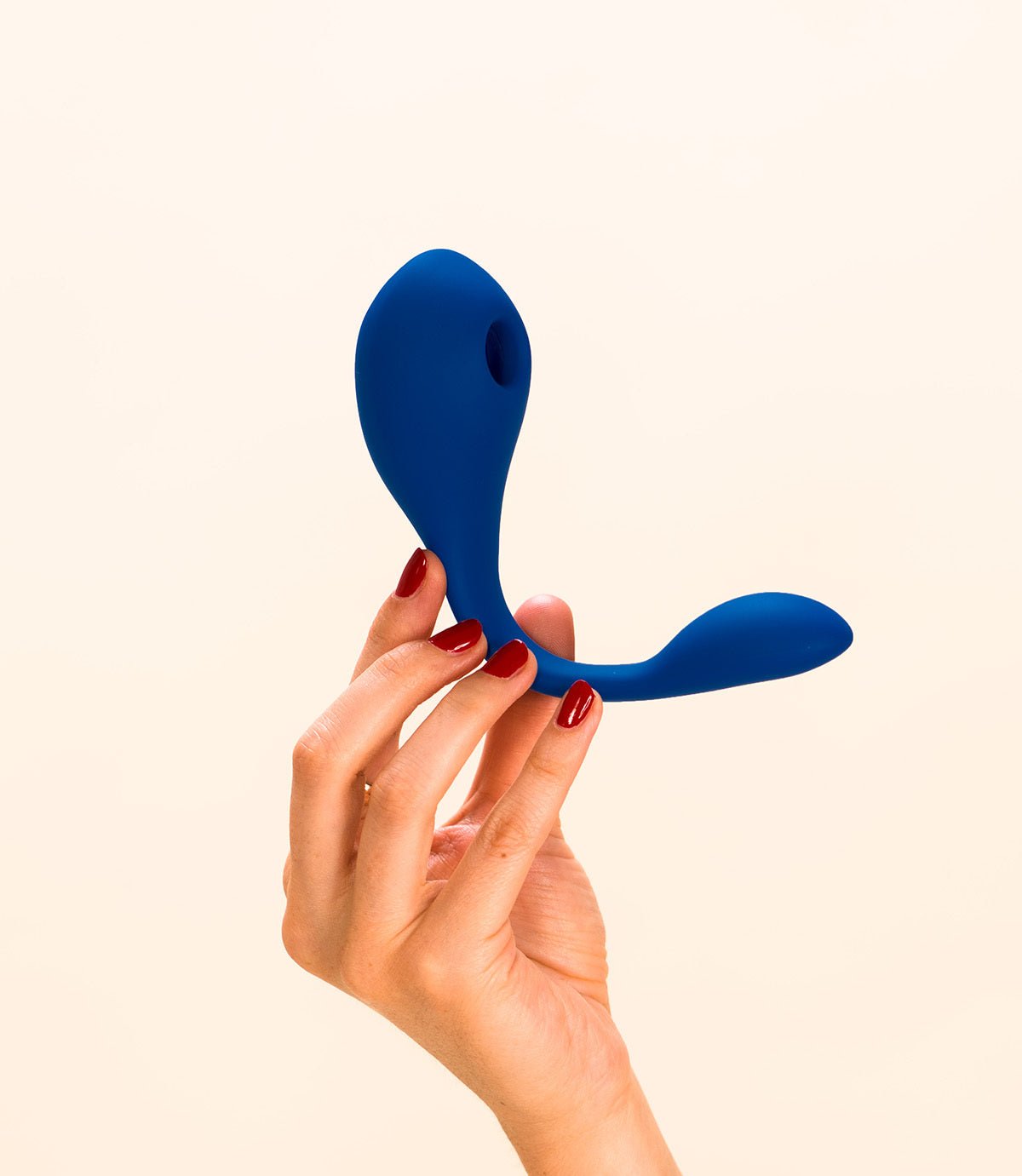
Our favorite is Coco , made of medical silicone, a non-irritating and allergen-free material.
In addition to respecting your body, it will allow you to explore and discover it thanks to its suction part and vibrating head.
Never neglect the hygiene of your vibrator, since it comes into direct contact with your intimate parts!
If you also use it with a partner, the transmission of STIs remains a risk. To properly clean your vibrator, you can rinse it under running water and clean it with an intimate wash or a special vibrator cleaner !
Taking care of your vulva isn't complicated or demanding. It's mainly a matter of gentleness, listening to your body, and using common sense . There's no need to overdo it: fewer products, more respect, and a little daily attention are often enough to avoid a lot of discomfort.
Whether it's hygiene, body hair, menstruation, sexuality, or intimate accessories, there's no single right way, only the way that works for you . Your vulva doesn't need to be perfect, it just needs to be treated with respect. And frankly, it will thank you for it.

Marie Comacle
You will surely like it
-

Intimate moisturizing and soothing balm
19,00€ -

Cure flore intime
35,00€ -

Lubricating Intimate Gel
13,00€ -
Coco
119,00€

Intimate moisturizing and soothing balm

Cure flore intime

Lubricating Intimate Gel
Coco

