


How to recognize the first symptoms of perimenopause?
By Lola Souris
|
Summarize this article with AI


Menopause is a topic that has generated a lot of discussion in recent years. With everything you've heard or read about it, it can sometimes be difficult to know what to believe. Should you consult a doctor as a preventative measure? How can you tell if you're in menopause or perimenopause ? What are the concrete consequences of menopause on your daily life?
According to the latest Inserm report on the subject, 48% of women under 50 find it still difficult to discuss the topic with a loved one, a doctor, or their partner. The Puissante team has heard you!
Today, we'll help you recognize the early symptoms of perimenopause and give you some tips on how to manage them. Because yes, menopause marks the beginning of a new phase of life, but no, it shouldn't put a stop to your personal or professional plans.
How does perimenopause begin?
A brief but essential reminder about menopause
Before going any further, do you really know what lies behind the term “ menopause” ?
Menopause refers to a hormonal change that primarily affects estrogen and progesterone , the two female sex hormones produced by the ovaries. You are officially considered menopausal when you have not had a period for one year .
The menopausal process usually begins between the ages of 45 and 55, with an average age of 51 in France (Inserm menopause report).
Besides, men also have their own menopause! It is called andropause or “age-related androgen deficiency”, but it is not systematic and not as painful as menopause (who is surprised?).
What exactly is perimenopause?
Menopause isn't a sudden phenomenon. You don't wake up one morning with your estrogen and progesterone levels at rock bottom. Fortunately, you have time to prepare for it .
Menopause is preceded by a period called " perimenopause" or "premenopause, " during which the first symptoms begin to appear. Generally, menstrual cycles are the first to be affected. From the onset of perimenopause, they become irregular, sometimes shorter, then increasingly longer until they cease completely.
Perimenopause can last a few years : on average, between 4 and 7 years. In some women, this period is much longer and can last up to 10 years! It is not uncommon to see the first signs of perimenopause appear in the late thirties.
Don't panic, it doesn't mean you're no longer fertile or that your body will radically change. It 's simply preparing to enter a new phase of life, at its own pace.
Early menopause and premenopause: how to tell the difference?
Be careful not to confuse perimenopause with early menopause ; they are not the same thing at all. If you are approaching forty, experiencing some menopausal symptoms , but still having periods, you are probably in perimenopause.
Early menopause , also called premature ovarian insufficiency (POI), refers to the onset of menopause (the true menopause) before the age of 40. In this case, you no longer have menstrual periods. With POI, the consequences are different, and treatment will be tailored accordingly, especially if you wish to have children.
If you have any doubts about your situation, go see your doctor or gynecologist and explain your symptoms.
A closer look at the symptoms of menopause
Menopause sets in with its array of symptoms linked to the drop in estrogen and progesterone levels . There are around thirty symptoms (sometimes referred to as the 34 symptoms of menopause), but let's focus on the main ones.
According to the Inserm report, 87% of menopausal women suffer from at least one of these symptoms .
How your body changes during perimenopause
Premenopause and menopause directly influence your metabolism . Some women experience significant weight fluctuations :
-
Weight loss: fat and muscle mass melt away.
-
Weight gain: the body has difficulty regulating the absorption of certain nutrients, weight gain is often localized in the abdominal area.
Every woman is different ; it's difficult to know in advance how your metabolism will adapt to this period.
Beyond the physical aspect, hormonal deficiency impacts your body's ability to protect itself from diseases and infections:
-
You are more susceptible to joint and muscle pain and osteoporosis (bone disease).
-
You are more vulnerable to cardiovascular diseases.
Rest assured, it's not inevitable: not all menopausal women suffer from osteoporosis, far from it! It's just important to stay informed about these issues and pay attention to the first signs of weakening: fractures, falls, chronic pain… Your body is telling you something.
Night sweats and hot flashes: vasomotor disorders of menopause
Hot flashes are pretty much THE most talked-about symptom of menopause. And for good reason: 75% of menopausal women experience them ( Menopause section , Vidal). To make matters worse, these hot flashes are sometimes accompanied by chills, headaches, dizziness, and profound fatigue.
This is again linked to estrogen deficiency … Without them, your body cannot regulate its temperature on its own and will therefore activate the vasomotor reflex to eliminate heat.
The problem is that hot flashes can strike at any time, waking you up in the middle of the night or overwhelming you in the middle of an important meeting. Fortunately, there are solutions, which we'll discuss shortly.
Genitourinary Syndrome (GUMS) of Menopause: what exactly is it?
SGUM encompasses all the symptoms of perimenopause and menopause that affect your intimate area, among other things:
-
Vaginal dryness : burning or irritation sensations in the vulva. Cervical mucus becomes less abundant and of lower quality during menopause. The uterine wall also gradually thins, becoming less lubricated and less firm.
-
Pain during sexual intercourse (dyspareunia): caused in particular by vaginal dryness.
-
More frequent urinary problems.
-
Increased exposure to genital infections such as yeast infections or vulvodynia.
All of this significantly affects your quality of life , your relationship with your body, and also your intimate fulfillment . Sometimes, it even threatens the balance of the couple because your partner doesn't understand why you're no longer as adventurous in your sexuality.
In fact, you absolutely can be. You can even be more powerful than you were in your thirties. The key is to be well-informed, well-equipped, and to communicate openly about menopause with your partner. Menopause is a transition that should be navigated gently.
It's worth noting that women with breast cancer are particularly susceptible to genitourinary syndrome of menopause (GSM) . According to a study conducted by the Seintinelles collective with 1,000 women, 96% experienced at least one symptom characteristic of GSM.
The effects of perimenopause on your emotional balance
Your hormones play a bit of Russian roulette during perimenopause and menopause. If you're one of those women who struggle monthly with severe PMS or significant mood swings, you know how much this can impact your emotional balance.
From the onset of perimenopause , you become more irritable, less resistant to stress and fatigue, and may suffer from sleep disturbances. Add to that feelings of loneliness and guilt (absolutely unjustified, we should point out) and you have a terrible cocktail for your morale.
Don't hesitate to talk about your feelings with your family and friends, and with a healthcare professional. Feel completely at ease about menopause: all women go through it. You haven't done anything wrong and you're not responsible for this bad mood ; your body is entering a new phase and it needs time to find its balance.
Managing the symptoms of (pre)menopause: where to begin?
Does hormone replacement therapy for menopause work?
Hormone replacement therapy (HRT) for menopause is subject to many misconceptions. This is due to an American study published in 2002 by the WHI ( Women's Health Institute ). which drew very bad conclusions from a study conducted on the treatment. The institute reported an increase in breast cancer and a greater exposure to cardiovascular diseases in the women treated.
Problems: this study was conducted under poor conditions , on women aged only over 65, most of whom already suffered from cardiovascular disease. And above all, the oral treatment offered to them at the time bears no resemblance to the transdermal HRT prescribed today in France .
Let's sweep away those preconceived ideas about hormone replacement therapy for menopause!
To date, it is the only treatment that offers a comprehensive approach to menopausal symptoms . It replicates the same action as estrogen and progesterone and compensates for hormonal deficiency. HRT rebalances your entire body: physical, mental, lubrication… it's an all-in-one solution worth considering.
However, old habits die hard, and the tabloids did a lot of damage when the WHI report was published… Today, only 6% of women in France take HRT . Be aware, though, that it can only be prescribed if you are indeed menopausal and is rarely indicated during perimenopause . Don't hesitate to talk to your doctor for guidance.
Symptomatic treatments from perimenopause onwards: the best way to regain your comfort
Beyond hormone replacement therapy (HRT), there are locally applied hormonal treatments to relieve vaginal dryness and intimate pain. Vaginal estrogens come in various forms:
-
a cream to be applied directly into the vagina several times a week.
-
an estradiol ring to be inserted into the vagina and changed every 3 months,
-
in tablet or gel form to be inserted into the vagina twice a week.
Also consider investing in a good lubricant to rediscover comfortable and fulfilling moments of intimacy.
“ The use of lubricants, moisturizers, and hyaluronic acid vaginally leads to an improvement in the symptoms of menopausal genitourinary syndrome (MGUS) and can be offered to all patients. For menopausal women, local estrogen is preferred to oral estrogen due to its safety and efficacy on all MGUS symptoms when used at low doses. ” Menopausal Genitourinary Syndrome (MGUS) . Clinical Practice Guidelines for Menopausal Women from the CNGOF and GEMVi, C. Hocké, M. Diaz, V. Bernard, S. Frantz, M. Lambert, C. Mathieu, M. Grellety-Cherbero
There are also natural methods to soothe other symptoms of perimenopause . These are excellent solutions for those who don't want to rely solely on hormone treatments and wish to try a complementary approach . Dietary supplements are perfect for gently initiating management as soon as the first symptoms appear and helping your body regulate itself.
Don't hesitate to check out our article dedicated to dietary supplements during menopause !
What lifestyle habits are recommended during perimenopause and menopause?
To approach menopause with peace of mind and alleviate your symptoms , your medical team will also encourage you to adapt your lifestyle. Here are a few tips to get you started:
-
When it comes to food , it's essential that you get all the nutrients your body needs. Opt for a Mediterranean diet rich in vitamins and protein, and avoid overly spicy foods that stimulate the vasomotor reflex (or plan a cold shower right after if you love hot sauce).
-
We also advise you to continue engaging in physical activity , even if you suffer from osteoporosis. This is essential for maintaining muscle mass, stabilizing your weight, and continuing to produce a host of hormones that are beneficial for your mood.
-
Aim for at least 7 hours of restful sleep per night.
-
Minimize your consumption of alcohol and tobacco , which disrupt your hormonal system.
Premenopause is also an opportunity to try new activities to do your body good : sophrology, meditation, yoga… There are plenty of ways to gently get moving.
Menopause isn't sudden; it develops gradually in a process that can take several years. Pay attention to the first signs so you can react quickly and find the solutions that work for you. Your active and intimate life doesn't stop at this point; menopause offers you the opportunity to discover yourself in a new light. Seize it.
en/en/

Lola Souris
You will surely like it
-

Menopause Cure
35,00€ -
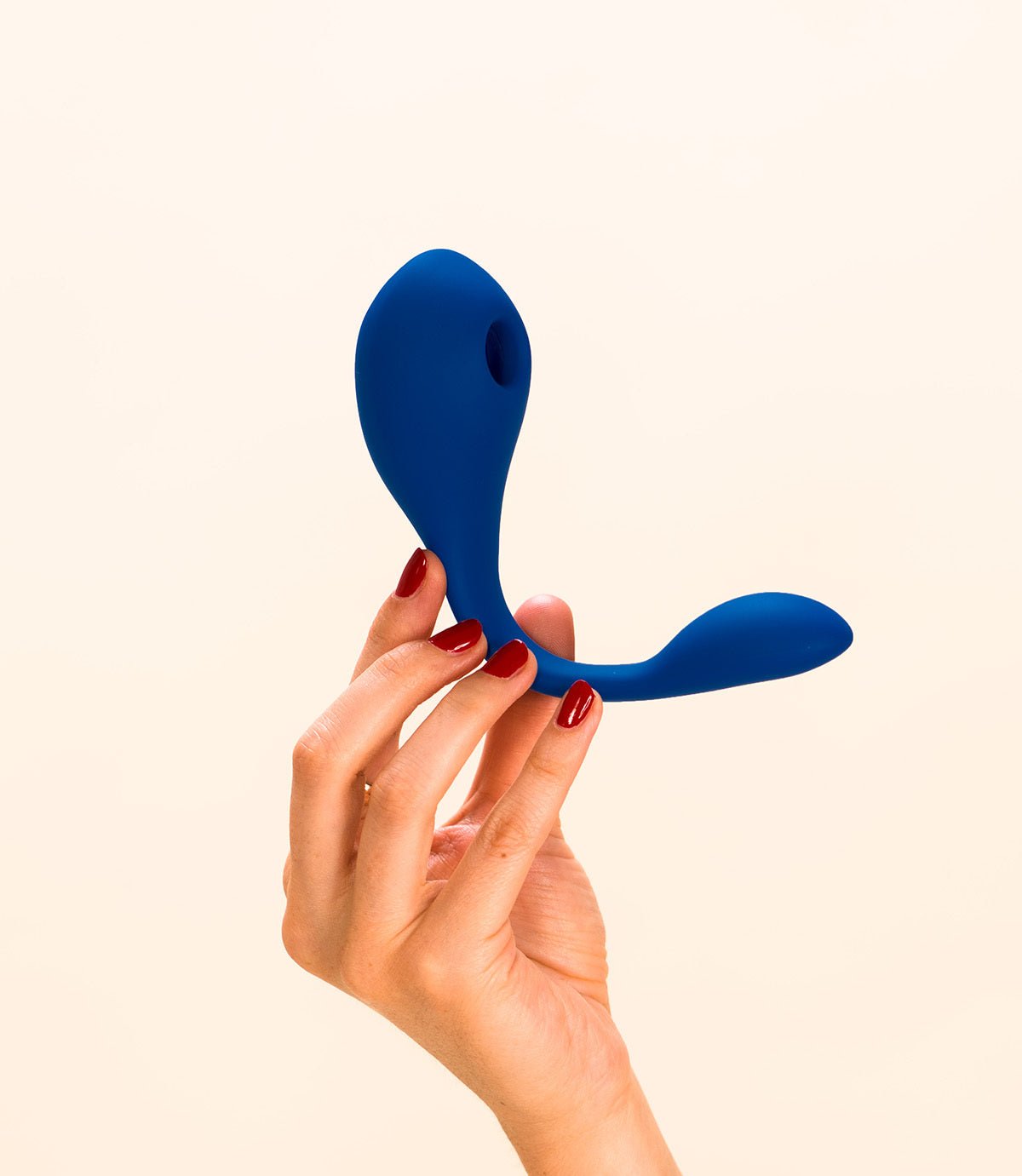
Coco
119,00€ -

Intimate moisturizing and soothing balm
19,00€ -

Lubricating Intimate Gel
13,00€

Menopause Cure
Coco

Intimate moisturizing and soothing balm

Lubricating Intimate Gel


