


Our tips for lubricating more during menopause
By Lola Souris
|
Summarize this article with AI


Menopause is a normal stage in a woman's life, but it is still too little known , or at least not in its entirety, even by women themselves!
We often hear about hot flashes or fatigue when discussing menopause. But there's one symptom that's rarely talked about: vaginal dryness.
And yet, it affects up to 55% of menopausal women, according to INSERM.
Added to this is another reality: the drop in natural lubrication, which can make intimate relations less fluid, less pleasant… or even painful.
It is said that before menopause, a woman takes an average of 5 seconds to produce natural lubrication , whereas once menopausal, this time increases to 5 minutes!
This is not a taboo to be dismissed out of hand. It is a real, common symptom that can be addressed and deserves your full attention.
At Puissante, we know that Talking about lubrication during menopause is neither embarrassing nor trivial: it's necessary and beneficial. We believe that experiencing menopause well also means (re)taking care of one's pleasure and comfort, and this includes vaginal lubrication. And knowing how to lubricate as a menopausal woman provides the keys to rediscovering a more serene relationship with one's intimacy, body, and bodily functions.
Menopause is not the end of desire. It's simply the beginning of a new way of inhabiting your body and reconnecting with it.
If you are here to understand how to increase lubrication as a menopausal woman, know that you are in the right place at the right time.
A closer look at the intimate area during menopause
Vaginal lubrication and menopause
Natural lubrication is the result of a complex and fascinating physiological process. It is produced by glands located at the entrance of the vagina and in the cervix.
This transparent and slippery fluid is designed to reduce friction, protect mucous membranes, provide daily comfort and facilitate sexual intercourse.
How well the body is made!
When hormone levels (especially estrogen) drop, as happens during menopause, the production of this natural lubrication decreases significantly. This is the beginning of vaginal dryness !
“ During menopause, the vagina loses elasticity, the tissues dry out, and lubrication becomes almost nonexistent. This is neither a pathology nor inevitable, but a hormonal reality. ” Dr. Odile Bagot , gynecologist, author of the blog MamGyneco
Vaginal dryness and menopause
Vaginal dryness in menopause is therefore caused by the drop in estrogen mentioned above and therefore the decrease in vaginal lubrication.
It is characterized by mucous membranes that become thinner, more fragile, and drier. The result? A sensation of irritation, itching, sometimes pain during AND outside of sexual intercourse, a decrease in libido … and often a feeling of discomfort that is difficult to express.
Here are the main signs:
-
sensation of dryness in the vagina
-
tightness, burning, itching,
-
pain during sexual intercourse
-
irritations or micro-lesions,
-
recurrent urinary tract infections
-
Decreased libido linked to discomfort.
These symptoms are physical, but also psychological : the loss of intimate comfort often impacts self-esteem, relationships, and body confidence. And that's normal.
Understanding the difference between vaginal lubrication and vaginal dryness
-
Vaginal lubrication
Vaginal lubrication is the natural process by which glands located at the entrance of the vagina produce a clear, slightly slippery fluid to moisten the mucous membranes. This lubrication occurs during sexual arousal , but also throughout the menstrual cycle , depending on hormonal phases.
It helps to avoid painful friction, maintain a good balance of the intimate flora and promote pleasure during intercourse as well as daily comfort.
Vaginal lubrication is therefore a physiological process .
-
Vaginal dryness
Vaginal dryness, on the other hand, is a result of decreased vaginal lubrication. It's a consequence, occurring when this fluid production diminishes or disappears. The vagina becomes drier, less supple, and sometimes painful. This dryness is often accompanied by sensations of tightness, irritation, or itching, particularly during and after sexual intercourse. It can be temporary or persistent.
The good news? There are concrete and natural solutions to relieve these symptoms, improve lubrication and thus combat vaginal dryness.
Even during menopause, it is possible to rediscover a fluid , comfortable and joyful sexuality.
Our tips for better lubrication during menopause
-
Incorporate a vaginal moisturizer into your routine
Intimate moisturizer is the ideal daily care product, especially for menopausal women ! As you know, vaginal dryness during menopause isn't just something that happens during intercourse! It's a daily issue that can be addressed.
Unlike lubricants used occasionally, vaginal moisturizers are used more frequently : they nourish the mucous membranes and help to rebuild a comfortable environment over time.
They are available in the form of creams, balms , gels or vaginal suppositories and are to be used outside of intercourse to deeply moisturize the area.
Not to be confused with a lubricant, an intimate moisturizer is a daily care product . It acts like a moisturizing cream but is specifically formulated for vaginal mucous membranes, to be used daily or as needed.
It rehydrates, improves tissue elasticity, and helps restore intimate comfort for several days. It is ideal as a complement to lubricant, especially in cases of chronic dryness.
Our intimate balm has been specially designed to respect and moisturize the intimate area, thus combating vaginal dryness. It is made with 100% natural ingredients and is manufactured in France!
-
Use a good lubricant during intimate moments.
Regarding intimate relationships (alone, with a partner, with or without accessories), the use of a Lubricating gel is essential for menopausal women!
Lubricants are the number one ally in compensating for the drop in natural lubrication during menopause. They act immediately, relieve discomfort, and allow you to regain a smooth and comfortable sex life.
The different types of lubricants:
-
Water-based : compatible with sex toys and condoms, easy to rinse. Ideal if you have very sensitive mucous membranes. We're absolutely in love with this lubricant !
-
Made from silicone : ultra-long-lasting, very smooth glide. However, be aware of compatibility with toys.
-
Oil-based : nourishing but often incompatible with condoms (risk of breakage).
“ The right lubricant is one that respects your tissues, your health, and your pleasure. ” Dr. Odile Bagot, gynecologist
Whatever your choice, in terms of quantity: unlimited!
-
Supporting lubrication from within: plants, supplements & nutrition
Herbal remedies can also help improve lubrication and soothe menopausal discomfort. Without having to look far, nature sometimes offers unexpected benefits that would be a shame to miss out on!
-
Chaste tree, sage, lady's mantle, maca: plants that balance hormones
-
Evening primrose or borage: promotes the elasticity of mucous membranes
-
Omega-3: to nourish tissues from within
-
Herbal teas and vegetable oils: when used in external massage, they promote circulation and hydration.
-
Magnesium: for relieving tension and hormonal dryness
-
Soybeans, flax seeds, and hops are rich in phytoestrogens.
At Puissante, we love the “nutrition + rituals + clean products” combo to accompany this smooth transition.
That's why we've combined plant extracts, vitamins, and minerals that are "menopause-friendly" in a treatment whose formula was conceived, developed, and refined over more than a year! It effectively combats the discomforts caused by menopause and perimenopause gently and with respect for a woman's body!
-
Adapt your daily routine
When it comes to menopause, sometimes it's the little details that can make all the difference. Good practices, rituals, and small lifestyle habits... don't overlook anything:
-
Drink plenty of water (internal hydration = hydrated vagina).
-
Avoid harsh soaps or vaginal douches.
-
Wear cotton underwear and limit tight clothing.
-
Engage in gentle physical activity that stimulates blood circulation , improves hormonal balance, and reduces stress (a contributing factor to dryness). Don't hesitate to try activities like yoga, Pilates, swimming, or walking to help you cope better with this period.
-
Try pelvic floor rehabilitation ! It can boost blood flow to the vagina and facilitate the return of sensation. At Puissante, it's a central focus: good pelvic floor health = preserved intimacy (and increased pleasure). Kegel balls are the perfect tool for consciously caring for your pelvic floor, gently strengthening this muscle group at your own pace and at home. Plus, they're affordable and made of medical-grade silicone for maximum hygiene and safety!
5. Dare to (re)explore your sexuality gently
Let us tell you right away: yes, the more stimulation there is, the more the body can restart its ability to lubricate (even partially).
Masturbation, soft sex toys, sensual moments: these are not “accessories”, they are a moment of well-being that your body needs to function properly.
Whether you are alone or with others, there are no more excuses for not putting yourself first.
Listen to yourself, discover yourself, and above all, don't hesitate to question everything you thought you knew until now. Pleasure evolves throughout your life, with you.
Frequently asked questions about lubrication during menopause
Do all menopausal women experience vaginal dryness?
No, but more than half suffer from it. It's very common, and it deserves to be discussed openly.
Are lubricants sufficient during menopause?
They provide relief at a specific time: during intimate moments. In cases of persistent discomfort, local vaginal moisturizers may be more effective and suitable.
Should you consult a healthcare professional?
Yes, if the symptoms persist and interfere with your sex life or daily comfort. As soon as you experience discomfort or a significant decrease in lubrication, it's important to talk to a healthcare professional: a midwife, general practitioner, or gynecologist. Some vaginal infections, chronic irritations, or urinary tract infections can also be linked to mucosal atrophy and warrant proper medical attention.
In summary: what should we remember about lubrication during menopause?
Vaginal dryness during menopause is common and normal, but it's never inevitable. There are concrete and effective solutions, both natural and medical.
(Re)learning how to lubricate when you are a menopausal woman allows you to reconnect with your body and your pleasure.
Talking about it is already breaking a taboo.
At Puissante, we are here to help you regain control over your intimacy.
We will always support you with respectful products, open communication, and a caring sisterhood.
Your comfort, your sexuality, your self-care don't stop with your period.
They transform. And it's just as beautiful.

Lola Souris
You will surely like it
-

Menopause Cure
35,00€ -

Intimate moisturizing and soothing balm
19,00€ -
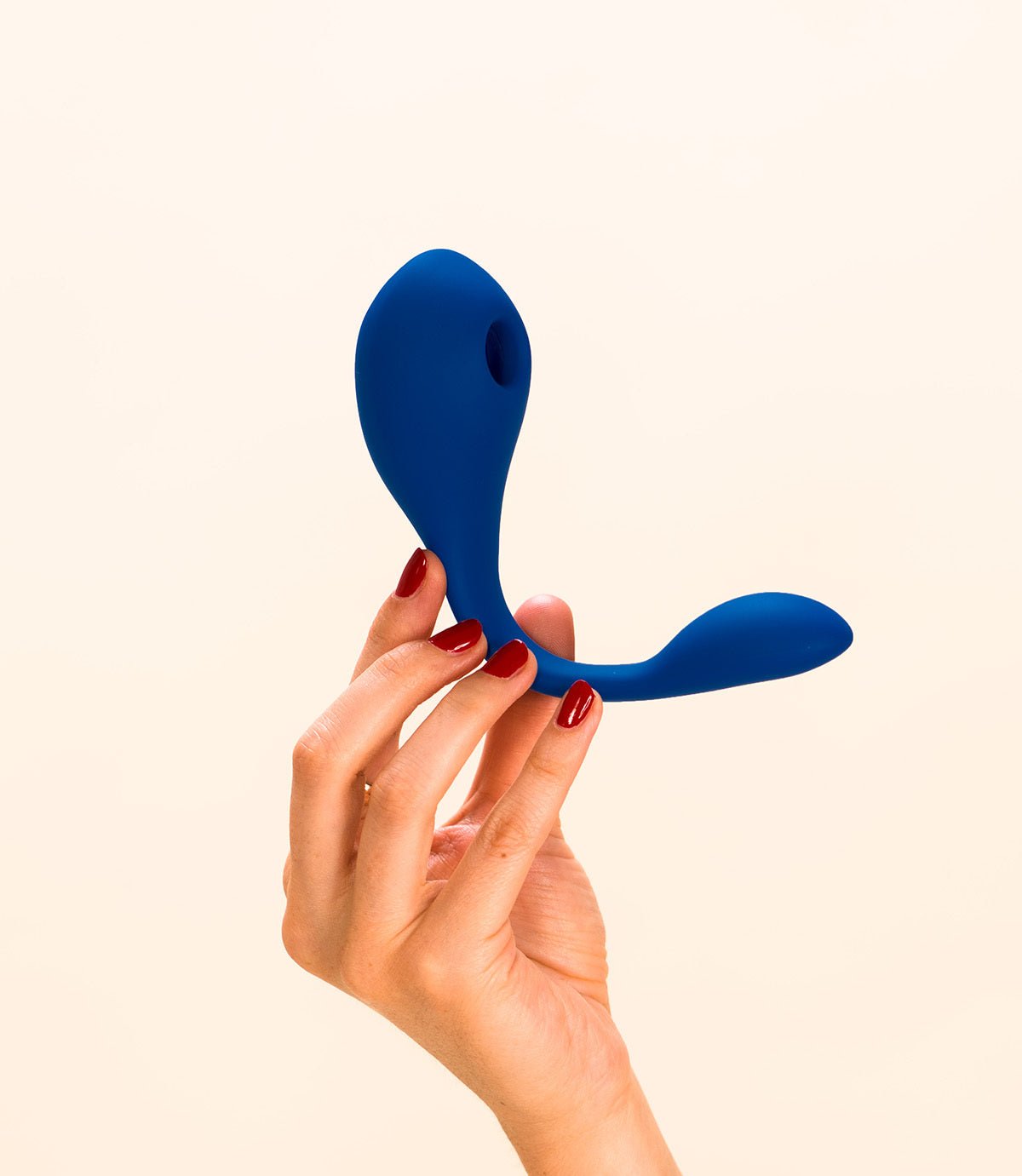
Coco
119,00€ -

Lubricating Intimate Gel
13,00€

Menopause Cure

Intimate moisturizing and soothing balm
Coco

Lubricating Intimate Gel


