


Ending the myth of virginity
By Aline Arcis
|
Summarize this article with AI


Associated with the notion of moral purity in many cultures, virginity is actually much more than just a matter of the hymen. This article sheds light on the myths surrounding virginity.
Our goal: to put the knowledge of our anatomy back in our hands and, of course, regain power over our bodies !
Being a virgin: the consequences of the cult of purity
In some parts of the world, virginity is considered a commodity . Women may be sold for their chastity or forced into prostitution to repay a family debt. In India, in particular, this practice is often associated with the lowest castes and the most marginalized communities.
Among the Xhosa people of South Africa and Namibia, young girls participate in the Ukuthwala ceremony. This ceremony marks a girl's entry into adulthood and consists of a period of seclusion and purification. The ceremony also includes the public display of the girl's hymen.
But we don't need to look that far to see the consequences of the cult of virginity . In France, some families still demand virginity tests from their daughters to prove their purity before marriage.
Let's be clear from the start: it's impossible to know if someone has lost their virginity . Doctors can only examine the state of the hymen. The World Health Organization condemns virginity tests, describing them as humiliating and traumatic.
The pressure to remain a virgin is so strong that it sometimes leads to dangerous practices, such as surgery to recreate a hymen or the introduction of capsules of fake blood into the vagina.
Ready to demystify virginity and challenge the status quo?
On the diversity of hymens
First myth, and a major one: virginity is linked to the presence or absence of the hymen in women. Nope.
The hymen is a thin membrane located at the entrance of the vagina, separating it from the vulva. It naturally has a small, more or less narrow opening that allows for the flow of menstrual blood and vaginal discharge . We are not the only ones to have a hymen; other mammals also possess them.
As you might expect, not all women are born with the same type of hymen . Its elasticity and shape vary greatly from one woman to another. Just like the appearance of our breasts, clitoris, or vulva, some hymens are thicker and more resistant, while others are thinner and more fragile.
It is precisely this elasticity that will cause more or less blood or pain when the hymen is perforated.
The first encounter is marked by blood and pain.
All together now: Wrong!
The answer, once again, lies at the heart of our anatomy. The amount of blood lost during hymen rupture depends on its degree of vascularization, which varies from woman to woman. A more flexible, less vascularized hymen will tend to bleed less than a thick hymen filled with small veins.
Regarding pain, there is again no universal rule. Some women feel the tearing of their hymen while others have a hymen that is already perforated due to the insertion of a tampon or a sporting activity, for example.
Do you want the truth? The discomfort or pain experienced is not only related to the rupture of the hymen, but also to the limited experience of the partners and the lack of lubrication of the mucous membranes during penetration.
First time ≠ penetration
Another persistent myth is the conflation of "first time" with vaginal penetration . So, in your opinion, is being a virgin a matter of anatomy or sexual awakening?
Many sexual acts can be considered a first time. Mutual masturbation, oral sex, and anal sex are practices that stimulate pleasure without involving vaginal penetration . We've even written an entire article on the subject.
Yet, shouldn't the first time be synonymous with deflowering?
When questioning the details of the loss of virginity, one quickly realizes that the clauses of the contract are relatively vague.
Understanding the absurdity of this injunction is a first step towards a freer and more fulfilling sexuality where everyone focuses on pleasure and mutual consent rather than social pressure and rigid norms.
A sexual act is by no means limited to penetration and it does not necessarily end in orgasm.
It is therefore essential to promote inclusive and respectful sex education that takes into account the diversity of sexual practices and identities.
Questioning the concept of virginity allows you to bring more kindness and respect to your sexuality. If you've learned new things about your anatomy, consider sharing them with others. Want to continue breaking down taboos about our bodies in a lighthearted way? We suggest this article on vaginal and clitoral orgasms.

Aline Arcis
You will surely like it
-

Le Bisou
99,00€ -

Mini Coco
69,00€ 89,00€-20,00€ -
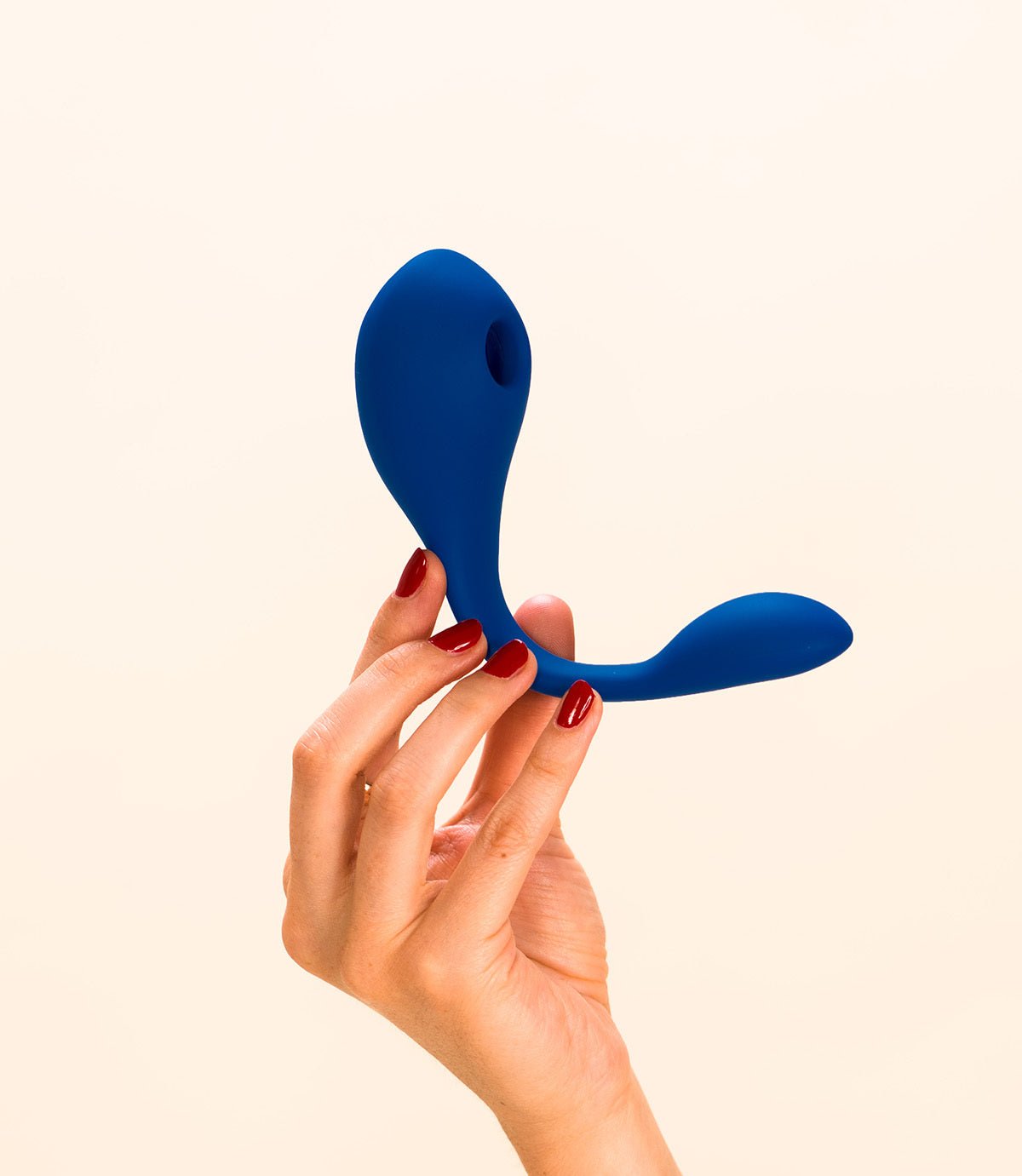
Coco
119,00€ -

Lubricating Intimate Gel
13,00€

Le Bisou

Mini Coco
Coco

Lubricating Intimate Gel


