


Sexuality and ADHD: challenges, strengths, and tips for thriving
By Coline Levin
|
Summarize this article with AI


You have ADHD. You may have recently discovered this, or you may have known for years. One thing is certain: your brain works differently. It jumps from one thought to another, it constantly seeks stimulation, it lives in a state of urgency and intensity.
But here is what no one really tells you: this neurological functioning does not spare your bedroom. Your sexuality is also affected. And contrary to what you might think, this is not necessarily a bad thing. We believe it is time to talk openly about sexuality when you have ADHD.
ADHD: what is it again?
Let's start with the basics. ADHD stands for Attention Deficit Hyperactivity Disorder. It is not just "being restless" or "having trouble concentrating". It is a neurodevelopmental disorder that affects brain function, particularly the areas responsible for attention, impulsivity, and emotional regulation.
The main symptoms include:
-
Inattention: difficulty concentrating, finishing what you start, a tendency to be easily distracted.
-
Hyperactivity: a constant need to move, an inability to stay still, permanent mental restlessness.
-
Impulsivity: acting without thinking, taking risks, speaking without a filter.
These symptoms can manifest differently from one person to another. Some people with ADHD are primarily inattentive, others hyperactive, and others have a combination of both. No two people with ADHD are the same.
The impact of ADHD on sexuality: the truth
This is what the studies show. According to Swiss research, 39% of men and 43% of women diagnosed with ADHD experience significant sexual disorders. This figure is much higher than in the general population.
But that is not all. According to Inserm, ADHD symptoms are associated with higher levels of risky sexual behaviors among young people: unprotected sex, having sex at an earlier age, and more frequent sexually transmitted infections.
Here is what really happens: your ADHD does not disappear when you enter your bedroom. It comes in there with you.
The specific challenges of ADHD sexuality
The slipping concentration
Imagine: you are making love. Everything is going well, you are there, present. Then suddenly, your mind wanders. You think about your electricity bill, that conversation you had at work, what you should eat tomorrow.
You are no longer there. Your body is present, but your brain has left the room.
This is one of the most frustrating realities of ADHD sexuality. Even when you are in the mood, even when you are with someone you love, your attention can evaporate in a second. The result: you feel guilty, your partner wonders what happened, and you are frustrated to have lost that moment.
Extreme libido fluctuations
Your libido is not stable. Some days, you have overflowing sexual energy. You think about sex, you want it, you go for it. Other days, you have absolutely no desire. Zero. Nothing.
Your partner does not understand. Neither do you, for that matter.
This fluctuation is not a whim. It is your ADHD. Your brain works in cycles of hyperfocus and total emptiness. Your sexuality too.
Impulsivity: the double-edged sword
Your impulsivity can be your greatest strength or your greatest challenge in terms of sexuality.
On one hand, it makes you spontaneous, creative, ready to explore. You are not afraid to suggest new things, take calculated risks, or break the routine.
On the other hand, impulsivity can lead you to engage in risky behaviors: unprotected sex, multiple partners, sexual compulsivity. You act without thinking about the consequences, and then comes the guilt. A lot of guilt.
Emotional hypersensitivity
An awkward comment, an unpleasant sensation, and everything falls apart. Your nervous system is hyper-reactive. You feel everything more intensely: joy, frustration, shame.
During sexual intercourse, this hypersensitivity can turn a pleasant caress into an unbearable sensation. A small criticism can hurt you deeply. You can go from total excitement to complete rejection in a second.
The constant need for novelty
Routine kills your desire. Doing the same thing, in the same way, with the same person, is deadly for you. Your ADHD brain needs stimulation, novelty, the unexpected.
This can be a strength in a relationship: you suggest new things, you explore, you keep the flame alive. But it can also create tension if your partner prefers stability and predictability.
The strengths of ADHD sexuality.
Intensity
When you are connected, you are truly connected, not halfway. You immerse yourself completely in the moment. Your partner can feel this intensity, this presence. It is beautiful.
Creativity
You do not like routine. You invent, you suggest, you explore. Your sexuality can be incredibly creative and inventive. You find new ways to please yourself and surprise your partner.
Amplified sensitivity
You feel more intensely. A caress can make you shiver. A kiss can make you lose your mind. When it feels good, it feels really good.
Passion
Your energy can transform an intimate relationship into a unique experience. You put heart, soul, and passion into what you do.
How to better live your sexuality when you have ADHD
Communicating without a filter
The first key, is communication. Tell your partner:
-
that you have libido fluctuations,
-
that you can zone out unintentionally,
-
that you need novelty,
-
that you are hypersensitive,
-
that you can be impulsive.
Transparency avoids misunderstandings and guilt, and creates a space where your partner can truly support you.
Creating favorable conditions
Your concentration is fragile. Create an environment that supports it:
-
A bedroom without distractions (phone away, no TV lying around),
-
A sensual atmosphere (music, dim lighting),
-
A time when you are not tired or stressed,
-
Some time to relax beforehand.
Intentionally slowing down
Your impulsivity pushes you to speed up. Try to slow down intentionally. Take time for caresses, for breathing, to savor. You will see that sometimes, going slowly really intensifies the pleasure.
Transforming curiosity into exploration
Instead of feeling guilty about loving novelty, make it a shared asset. Explore together, suggest together, discover together. Your need for stimulation can become a strength for your couple.
Monitoring compulsive behaviors
If you feel that your sexuality is becoming an escape (excessive porn, compulsive masturbation, multiple partners to escape), take a look at yourself. It is not a shame, it is a sign that you need help. A specialized therapist can really support you.
Protecting your self-esteem
Your worth does not depend on your sexual performance. You are not broken. You just function differently. Work on your self-esteem, accept your difference. Your sexuality will be transformed.
Spicing up your sexuality when you have ADHD
Trying new positions
Break out of the mold. Explore new positions, different locations, unexpected times.
Using accessories
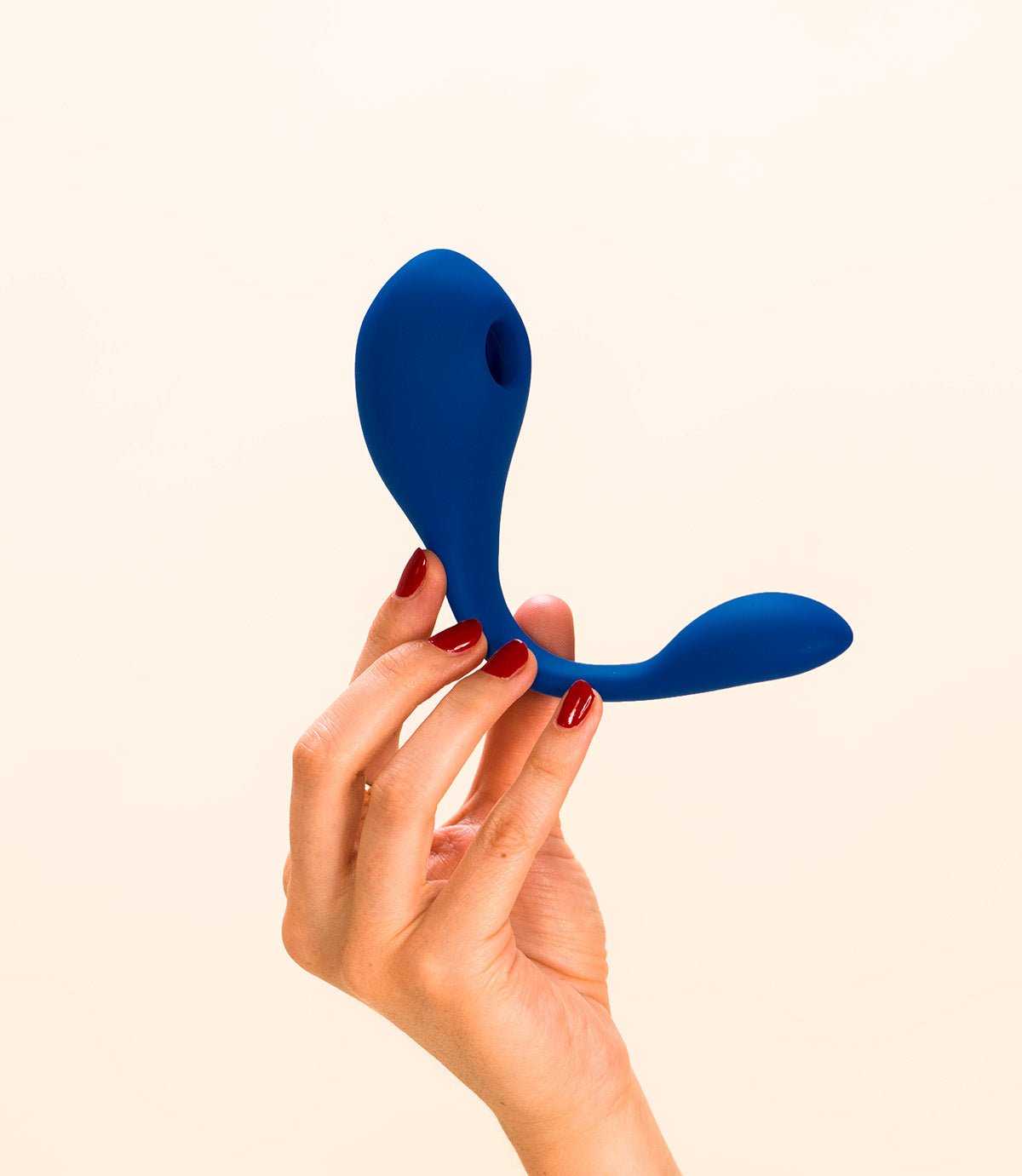
A vibrator can really transform your experience. External stimulation amplifies sensations and can help you stay focused on what is happening now. Le Bisou, for example, offers different vibration intensities to let you be guided by sensations.
Playing with sensory stimulation
Explore different textures, temperatures, sensations. Satin, ice cubes, feathers, oils. Each new sensation can bring you back to the present moment.
Creating games or scenarios
Your creativity loves this. Invent games, roles, scenarios. It adds mental and physical stimulation.
Exploring foreplay
As we explain in our article on foreplay, it is an excellent way to break the routine and truly connect with your partner.
The key message
Your ADHD is part of you. Your sexuality too. These two things are inseparable, and it is not a curse: it is just a reality to accept and manage.
You can have a fulfilling sexuality, even (or especially) with ADHD. You just need to understand how you work, communicate clearly, and create a space where you can be authentic.
en/en/
Coline Levin
You will surely like it
-

Le Bisou
99,00€ -

Chouchou
109,00€ -
Coco
119,00€ -

Libido & Lubrication Cure
35,00€

Le Bisou

Chouchou
Coco

Libido & Lubrication Cure


